
Table of Contents
ToggleCommon Rowing Machine Mistakes and How to Avoid Them
Rowing machines are one of the most effective pieces of cardio and strength equipment you can use. They offer a full-body workout, are low-impact, and help build endurance, strength, and coordination all at once. Yet, despite their benefits, many people unknowingly make form and technique errors that reduce results and increase the risk of discomfort or strain.
If you’ve ever felt that rowing “just doesn’t work” for you, chances are you’re making one or more common rowing machine mistakes.
In this in-depth guide, I’ll break down the most frequent rowing machine mistakes, explain why they happen, and show you exactly how to avoid them. Whether you’re a beginner or someone who’s been rowing for a while, correcting these mistakes can dramatically improve your performance and confidence on the machine.
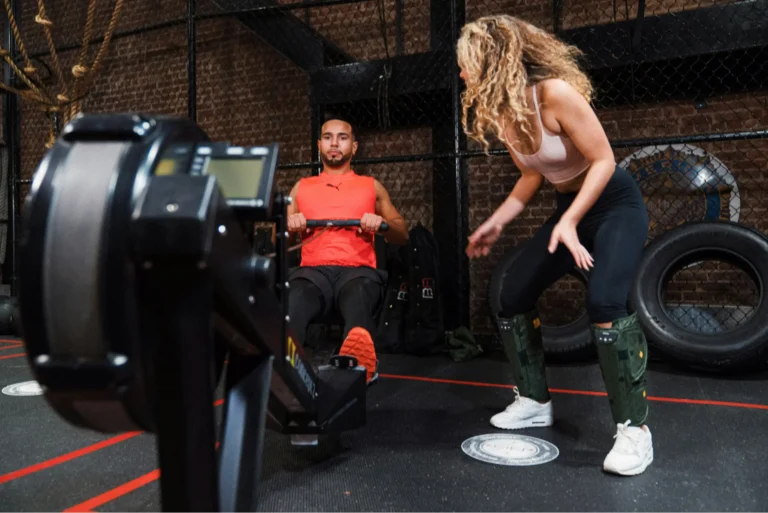
Why Proper Rowing Technique Matters
Rowing is a coordinated movement that involves legs, core, and upper body working together in a specific sequence. When done correctly, it’s smooth, efficient, and surprisingly powerful. When done incorrectly, it can feel awkward, exhausting, or ineffective.
Correcting rowing machine mistakes helps you:
Get more results in less time
Reduce unnecessary fatigue
Improve posture and body awareness
Stay consistent with your workouts
Most mistakes don’t come from laziness—they come from misunderstanding how the rowing stroke works. Let’s fix that.
Mistake #1: Using Only Your Arms
One of the most common rowing machine mistakes is relying almost entirely on the arms to pull the handle. This usually happens because beginners assume rowing is an upper-body exercise, similar to a seated cable row. While your arms do play a role, they are only a small part of the overall movement.
Rowing is a full-body exercise, and nearly 60% of the power should come from your legs. When you overuse your arms, you fatigue faster, limit power output, and miss out on the real benefits of rowing. It also puts unnecessary strain on your shoulders and elbows.
How to avoid it:
Focus on the correct stroke sequence: legs → core → arms. Start each stroke by pushing through your heels, extending your legs first. Your arms should only pull once your legs are nearly straight. A helpful cue is to imagine “pushing the machine away” with your legs rather than pulling the handle toward you.
Mistake #2: Rushing the Stroke Rate
Another frequent rowing machine mistake is rowing too fast. Many people believe that a higher stroke rate automatically means a better workout. In reality, fast, shallow strokes often reduce efficiency and increase fatigue.
When you rush, you lose control of your form, shorten your stroke, and rely on momentum instead of strength. This leads to inconsistent pacing and poor endurance.
How to avoid it:
Slow down and focus on power per stroke, not speed. A steady rhythm with controlled movements is far more effective. A good rule of thumb is to make the recovery phase (returning forward) slower than the drive phase (pushing back). This creates a smooth, sustainable flow.
Mistake #3: Poor Posture and Rounded Back
Slouching or rounding the lower back is one of the most damaging rowing machine mistakes, especially for long-term use. Poor posture reduces power transfer and places unnecessary stress on the spine.
This mistake often happens when people try to reach too far forward or fatigue sets in during longer sessions.
How to avoid it:
Maintain a neutral spine throughout the stroke. Sit tall, engage your core, and keep your chest lifted. Your shoulders should stay relaxed, not hunched. If you feel your lower back rounding, shorten your stroke slightly and refocus on posture.
Mistake #4: Incorrect Foot Placement
Improper foot positioning is an often-overlooked rowing machine mistake. If your feet are too high or too low on the footplates, it can disrupt balance and limit leg drive.
How to avoid it:
Adjust the foot straps so they sit across the widest part of your foot, usually around the ball of the foot. Your heels should be able to lift slightly during the catch but remain controlled. Proper foot placement improves stability and power transfer.
Mistake #5: Bending the Arms Too Early
Pulling with the arms before completing the leg drive is a subtle but common rowing technique error. This reduces efficiency and shifts work away from the stronger lower body.
How to avoid it:
Keep your arms straight during the first part of the drive. Think of your arms as hooks connecting your body to the handle. Only bend your elbows once your legs are nearly fully extended
Mistake #6: Leaning Too Far Back
Excessive backward lean at the finish of the stroke is another frequent rowing machine mistake. While a slight lean is normal, going too far back can strain the lower back and disrupt rhythm.
How to avoid it:
Aim for a slight backward lean of about 10–15 degrees at the finish. Your core should stay engaged, and your movement should feel controlled, not forced.
Mistake #7: Not Using the Full Range of Motion
Short, incomplete strokes reduce the effectiveness of your workout. This mistake often happens when people are tired or trying to increase stroke rate.
How to avoid it:
Focus on reaching forward with control at the catch and fully extending your legs at the drive. Full strokes engage more muscle groups and improve overall conditioning.
Mistake #8: Ignoring Breathing Technique
Holding your breath or breathing irregularly is a common rowing workout mistake that limits endurance and comfort.
How to avoid it:
Coordinate breathing with your strokes. Many rowers exhale during the drive and inhale during the recovery. Find a pattern that feels natural and keeps you relaxed.
Mistake #9: Skipping Warm-Ups and Cool-Downs
Jumping straight into intense rowing without warming up is a mistake that can lead to stiffness and reduced performance.
How to avoid it:
Spend 5–10 minutes warming up with light rowing and dynamic stretches. After your session, cool down with gentle rowing or stretching to support recovery.
Mistake #10: Setting Resistance Too High
High resistance doesn’t always mean a better workout. In fact, setting the damper too high is one of the most misunderstood rowing machine mistakes.
How to avoid it:
Choose a moderate resistance that allows smooth, powerful strokes. Rowing should feel challenging but controlled, not heavy and jerky.
How to Build Better Rowing Habits
Avoiding rowing machine mistakes isn’t about perfection—it’s about consistency and awareness. Start each session with a quick mental checklist:
Is my posture tall and relaxed?
Am I pushing with my legs first?
Is my stroke smooth and controlled?
Recording yourself or using a mirror can also help you identify technique flaws early.
Benefits of Correcting Rowing Machine Mistakes
When you eliminate common rowing machine mistakes, you’ll notice:
Better endurance
Increased calorie burn
Improved muscle balance
More enjoyable workouts
Rowing becomes less exhausting and more rewarding when your technique works with your body, not against it.
Conclusion
Rowing machines are incredibly effective, but only when used correctly. The most common rowing machine mistakes—such as poor posture, overusing the arms, rushing strokes, and incorrect resistance—can limit progress and cause frustration. By slowing down, focusing on proper technique, and making small adjustments, you can transform your rowing workouts into powerful, efficient sessions.
Mastering rowing technique doesn’t happen overnight, but every correct stroke brings you closer to better fitness, stronger muscles, and greater confidence on the machine.
That’s it for this article. If you are someone who needs a rowing machine, check out these best rowing machines under $500
Frequently Asked Questions
1. Are rowing machine mistakes common for beginners?
Yes, most beginners make rowing machine mistakes due to unfamiliarity with the movement. Proper guidance and practice help fix them quickly.
2. Can poor rowing form cause discomfort?
Yes, incorrect posture and sequencing can lead to back, shoulder, or knee discomfort over time.
3. How long does it take to improve rowing technique?
With consistent practice and focus, noticeable improvements can occur within a few weeks.
4. Is rowing better than running for beginners?
Rowing is low-impact and full-body, making it an excellent alternative for beginners who want to reduce joint stress.
5. Should I focus on speed or technique first?
Always focus on technique first. Speed and intensity should come naturally once form is solid.