
Table of Contents
ToggleIntroduction to Fitness Watch Accuracy
Fitness watch accuracy has become one of the most talked-about topics in the health and wearable technology world—and for good reason. These small devices on our wrists now claim to track heart rate, calories burned, stress levels, sleep quality, and even blood oxygen levels. But here’s the real question most people quietly ask: Can I actually trust this data?
If you’ve ever glanced at your fitness watch mid-workout and wondered whether that heart rate spike was real or just a tech hiccup, you’re not alone. Accuracy matters because people are no longer using fitness watches just for step counting. They’re using them to guide workouts, monitor cardiovascular health, and make long-term lifestyle decisions. When accuracy is off, motivation, progress tracking, and even health awareness can suffer.
At the same time, expectations around fitness watch accuracy are often unrealistic. Many users expect medical-grade precision from consumer-grade devices. That gap between expectation and reality creates confusion, skepticism, and sometimes unfair criticism. Understanding how fitness watches work, what they measure well, and where they fall short is the key to using them intelligently.
In this guide, I’ll break down fitness watch accuracy. You’ll learn how heart rate monitors function, what affects their reliability, and how close they come to professional medical equipment. We’ll also explore real-world research, common myths, and practical tips to improve accuracy. Whether you’re a beginner or a data-driven fitness enthusiast, this deep dive will help you get clearer, more trustworthy insights from your fitness watch—without the guesswork.
What Is a Fitness Watch and How Does It Measure Heart Rate?
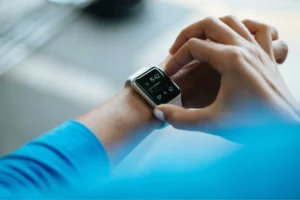
A fitness watch is essentially a compact health lab wrapped around your wrist. While it may look simple on the outside, internally it combines multiple sensors, algorithms, and software systems designed to translate physical signals into meaningful health data. At the core of fitness watch accuracy is heart rate monitoring, which acts as the foundation for many other metrics like calories burned, recovery status, and workout intensity.
Most fitness watches measure heart rate using light-based technology rather than direct electrical signals. This makes them convenient, comfortable, and suitable for all-day wear. However, convenience often comes with trade-offs in precision, especially when compared to medical-grade tools. Understanding these measurement methods helps set realistic expectations about fitness watch accuracy.
Heart rate data isn’t captured in isolation. Your watch continuously processes movement, temperature, and blood flow data, then uses algorithms to estimate your heart rate. That estimation process is where accuracy can either shine or struggle. Different brands refine these algorithms differently, which is why two watches on the same wrist may show slightly different numbers.
Another critical factor is context. A steady walk produces very different sensor conditions than a high-intensity interval workout. Fitness watches perform best in controlled, rhythmic movements and face challenges during irregular or strength-based exercises. Knowing this helps you interpret your data more intelligently instead of taking every number at face value.
Let’s break down the two main heart rate monitoring technologies used in modern fitness watches.
Optical Heart Rate Sensors Explained
Optical heart rate sensors are the most common technology used in fitness watches today. You’ll recognize them as the small green or red lights flashing on the back of your watch. These sensors work using a method called photoplethysmography (PPG)—a fancy term for measuring blood flow using light.
Here’s how it works in simple terms: the sensor shines light into your skin, and as blood pulses through your wrist with each heartbeat, it reflects light back differently. The watch detects these changes and translates them into heart rate data. Sounds simple, right? In theory, yes—but real-world conditions add complexity.
Fitness watch accuracy using optical sensors depends heavily on consistent skin contact. Even slight gaps between the sensor and your skin can distort readings. That’s why a loose watch often produces erratic heart rate numbers. Movement also plays a big role. Activities with smooth, repetitive motion—like walking or cycling—tend to deliver more accurate readings than workouts involving gripping, twisting, or sudden wrist movement.
Another often-overlooked factor is skin characteristics. Tattoos, darker skin tones, and even body hair can interfere with light absorption and reflection. Manufacturers continuously refine sensor strength and light wavelengths to improve performance across different users, but limitations still exist.
Despite these challenges, optical sensors have improved dramatically over the years. For everyday fitness tracking and general health awareness, they offer a reliable balance between comfort and accuracy—especially when worn correctly.
Electrical Heart Rate Monitoring (ECG-Based Systems)
Some advanced fitness watches now include electrical heart rate monitoring features, often marketed as ECG or EKG capabilities. Unlike optical sensors, these systems measure the electrical signals generated by your heart directly. This method is closer to how medical equipment works, which naturally boosts confidence in fitness watch accuracy.
ECG-enabled fitness watches require skin contact at multiple points, typically involving your wrist and a finger placed on the watch bezel or button. When activated, the watch completes an electrical circuit through your body, capturing precise heart rhythm data over a short period. This makes ECG readings highly accurate for detecting irregular heart rhythms like atrial fibrillation.
However, ECG features are not designed for continuous heart rate tracking during workouts. They’re more like snapshot tools used for specific health checks rather than real-time exercise monitoring. That means they complement optical sensors rather than replace them.
From an accuracy standpoint, ECG functionality adds credibility and trustworthiness to a fitness watch. It shows that manufacturers are moving toward medical-grade insights while still operating within consumer-friendly boundaries. For users concerned about heart health, this feature can be a valuable addition—but it doesn’t eliminate the need to understand overall fitness watch accuracy limitations.
Why Fitness Watch Accuracy Matters for Health and Fitness
Fitness watch accuracy isn’t just about numbers on a screen—it directly influences how people train, recover, and make decisions about their health. When heart rate data is accurate, it becomes a powerful feedback tool. When it’s not, it can quietly sabotage progress without the user even realizing it.
For fitness enthusiasts, heart rate zones guide workout intensity. Training too hard too often can lead to burnout or injury, while training too lightly may stall progress. Inaccurate readings can push users into the wrong zones, creating frustration or false confidence. Over time, this erodes trust in the device and in the process itself.
From a health perspective, accuracy becomes even more important. Many users rely on fitness watches to monitor resting heart rate trends, detect unusual spikes, or evaluate stress and recovery levels. While these devices aren’t medical tools, consistent inaccuracies can mask warning signs or create unnecessary anxiety.
There’s also a psychological component. Seeing progress—lower resting heart rate, improved cardio efficiency, better sleep metrics—reinforces healthy behavior. Accurate data motivates. Inaccurate data confuses. That’s why understanding fitness watch accuracy helps users focus on trends rather than obsessing over single readings.
In short, accuracy matters not because fitness watches must be perfect, but because people use them to shape daily habits. When used correctly, even imperfect data can be incredibly valuable. The key is knowing what your fitness watch does well—and where you should take its insights with a grain of salt.
How Accurate Are Fitness Watches Compared to Medical Devices?
When discussing fitness watch accuracy, one of the most common comparisons people make is between fitness watches and medical-grade heart rate monitoring devices. It’s an understandable comparison. After all, if a watch is measuring something as critical as heart rate, users naturally want to know how close it gets to clinical accuracy. The short answer? Fitness watches are surprisingly good—but they’re not perfect, and they’re not designed to replace medical equipment.
Medical devices like electrocardiograms (ECGs) and hospital-grade heart rate monitors are built for precision in controlled environments. They use multiple electrodes, stable positioning, and strict calibration standards. Fitness watches, on the other hand, are designed for convenience, portability, and continuous everyday use. That difference in purpose shapes their accuracy.
In steady-state conditions—like resting, walking, or jogging—many modern fitness watches show heart rate readings that are very close to medical devices, often within a few beats per minute. Numerous independent studies have shown that top-tier fitness watches perform exceptionally well during low- to moderate-intensity activities. This level of fitness watch accuracy is more than sufficient for general fitness tracking and lifestyle monitoring.
However, as intensity increases or movements become more complex, the gap widens. Rapid arm movement, gripping weights, or sudden changes in pace can introduce “motion artifacts” that confuse optical sensors. Medical devices don’t face these challenges because they’re designed to isolate electrical signals directly from the heart.
The key takeaway is this: fitness watches offer practical accuracy. They may not match medical tools beat-for-beat in every scenario, but they deliver consistent, actionable insights for everyday health and fitness. For most users, that balance is exactly what makes them valuable.
Fitness Watches vs Chest Strap Monitors
Chest strap heart rate monitors are often considered the gold standard outside of clinical settings. They measure heart rate using electrical signals directly from the chest, making them highly accurate during almost all types of exercise. When comparing fitness watch accuracy to chest straps, differences become more noticeable during intense or irregular workouts.
Chest straps excel during high-intensity interval training (HIIT), strength training, and sports involving explosive movement. Because they’re closer to the heart and less affected by wrist movement, their readings tend to be more stable. Fitness watches, especially those relying solely on optical sensors, may lag slightly or show brief spikes or drops during these activities.
That said, fitness watches have closed the gap significantly. Many modern models now integrate advanced algorithms that smooth out erratic readings and compensate for motion. For runners, cyclists, and casual gym-goers, the difference between a chest strap and a fitness watch is often minimal.
Convenience also matters. Chest straps require proper placement, moisture for conductivity, and occasional adjustment. Fitness watches are simply easier to wear all day. For most users, the slight trade-off in fitness watch accuracy is worth the comfort and simplicity—especially when tracking long-term trends rather than chasing perfect precision.
Fitness Watches vs Clinical ECG Equipment
Comparing fitness watches to clinical ECG machines is like comparing a home thermometer to hospital diagnostic tools. Both measure temperature, but their purposes are entirely different. Clinical ECG equipment is designed to diagnose conditions, detect abnormalities, and support medical decisions. Fitness watches are designed to inform, not diagnose.
In short ECG sessions, fitness watches with ECG functionality can produce impressively accurate rhythm data. They can identify irregular patterns and provide users with valuable insights to discuss with healthcare professionals. However, they don’t offer continuous, multi-lead monitoring like hospital equipment.
When it comes to continuous heart rate tracking, fitness watches rely primarily on optical sensors. These are excellent for trend analysis but less suitable for diagnosing medical conditions. That’s why manufacturers clearly state that fitness watches are wellness devices, not medical tools.
Understanding this distinction is crucial for trusting fitness watch accuracy appropriately. Use the data as a guide, not a verdict. When viewed through that lens, fitness watches become powerful companions rather than unreliable substitutes for medical care.
Key Factors That Affect Fitness Watch Accuracy
Fitness watch accuracy doesn’t exist in a vacuum. It’s influenced by a range of physical, environmental, and behavioral factors that can either improve or degrade performance. Knowing these factors helps users take control of their data instead of blindly trusting—or dismissing—it.
One of the biggest influences is how the watch is worn. Even the most advanced sensor can’t compensate for poor placement or loose contact. Beyond that, individual physiology plays a surprisingly large role. Two people performing the same workout can experience different accuracy levels simply due to differences in skin, bone structure, or blood flow.
Activity type is another major factor. Fitness watches thrive on predictable, rhythmic motion and struggle with chaotic or static movements. Environmental conditions like temperature and lighting can also interfere with sensor readings, especially during outdoor workouts.
The good news? Most of these factors are manageable. With small adjustments and realistic expectations, users can significantly improve their fitness watch accuracy and get more reliable insights from their data.
Watch Fit and Placement
One of the simplest ways to improve fitness watch accuracy is proper placement. The watch should sit snugly above the wrist bone—not directly on it. A loose watch allows movement between the sensor and skin, which increases noise in the data.
During workouts, tightening the band slightly can help maintain consistent contact. Afterward, loosening it improves comfort without sacrificing accuracy during rest. It’s a small habit that yields big improvements.
Placement consistency also matters. Wearing the watch in the same position every day helps algorithms learn your baseline patterns, improving long-term accuracy. Think of it like teaching your watch how your body behaves.
Type of Physical Activity
Not all workouts are created equal when it comes to fitness watch accuracy. Activities like walking, running, and cycling produce steady, repetitive motion that optical sensors handle well. Accuracy during these exercises is generally high.
Strength training, HIIT, and sports involving rapid wrist movement are more challenging. Gripping weights, bending wrists, or sudden directional changes can confuse sensors and cause brief inaccuracies. This doesn’t mean the data is useless—it just means it should be interpreted with context.
For these workouts, focusing on average heart rate and overall trends rather than moment-to-moment spikes leads to better insights.
Environmental and External Conditions
Cold weather reduces blood flow to the skin, making it harder for optical sensors to detect heart rate accurately. Bright sunlight can interfere with sensor readings during outdoor workouts. Sweat, while usually helpful for sensor contact, can sometimes create slipping if the band isn’t secure.
These factors don’t invalidate fitness watch accuracy—they simply remind users that real-world conditions are messy. Awareness is the key to smarter interpretation.
Common Myths About Fitness Watch Accuracy
One of the biggest myths is that fitness watches are either “perfectly accurate” or “completely unreliable.” The truth lives in the middle. Fitness watch accuracy is contextual. It’s strong in some situations and weaker in others.
Another myth is that higher price automatically means perfect accuracy. While premium watches often have better sensors and algorithms, user behavior still matters more than brand name. A poorly worn expensive watch can perform worse than a well-worn mid-range device.
There’s also a misconception that single readings define accuracy. In reality, fitness watches excel at tracking trends over time. That’s where their true value lies.
Real-World Studies and Research on Fitness Watch Accuracy
Independent research has played a huge role in validating fitness watch accuracy. Universities and health institutions have tested popular devices against chest straps and ECG equipment. Results consistently show strong accuracy during rest and steady exercise, with increasing variability during high-intensity movement.
Importantly, studies emphasize that accuracy has improved dramatically over the last decade. Today’s fitness watches are far more reliable than early-generation trackers. Algorithms are smarter, sensors are stronger, and data interpretation is more refined.
This growing body of research reinforces the idea that fitness watches are trustworthy tools—when used for their intended purpose.
Accuracy During Different Activities
Walking and Daily Activities
Fitness watch accuracy is highest during walking and everyday movement. The predictable rhythm and moderate intensity create ideal conditions for optical sensors. For step counting, resting heart rate, and daily calorie estimates, accuracy is generally excellent.
Running and Cardio Workouts
During steady running or cycling, fitness watches perform very well. Minor delays during sudden pace changes can occur, but average heart rate and zone tracking remain reliable. This makes fitness watches ideal for endurance training.
Strength Training and HIIT
This is where fitness watch accuracy faces its biggest challenges. Rapid movements and wrist flexion introduce noise. Using workout averages and post-workout summaries rather than live readings leads to better insights.
Sleep and Resting Heart Rate Tracking
Sleep tracking relies on long-term trends rather than instant readings, which plays to the strengths of fitness watches. Resting heart rate trends are among the most accurate and valuable metrics these devices offer.
How to Improve Fitness Watch Accuracy
Improving fitness watch accuracy doesn’t require new hardware—just better habits. Wear the watch snugly, position it correctly, clean the sensor regularly, and update firmware when available. Consistency is more important than perfection.
Focusing on trends rather than individual spikes also transforms how useful the data feels. Over time, patterns reveal far more than isolated numbers.
Choosing the Right Fitness Watch for Accurate Heart Rate Monitoring
Not all fitness watches are created equal. Look for models with strong sensor reviews, regular software updates, and proven performance in independent tests. Battery life, comfort, and ecosystem support also affect long-term accuracy by encouraging consistent wear.
Fitness Watch Accuracy for Beginners
If you’re new to wearables, understanding fitness watch accuracy early prevents frustration. Use your watch as a guide, not a judge. Pay attention to patterns, not perfection.
For a complete walkthrough on setup, usage, and best practices, explore the guide:
Fitness Watch for Beginners: Complete Setup and Usage Guide
This resource pairs perfectly with understanding accuracy and helps beginners build confidence quickly.
How Fitness Watch Accuracy Impacts Calories, VO₂ Max, and Stress Metrics
Heart rate accuracy influences many secondary metrics. Calories burned, VO₂ max estimates, and stress scores all depend on heart rate data. While these metrics aren’t exact, consistent accuracy makes them useful for tracking improvement over time.
Limitations of Heart Rate Monitors in Fitness Watches
Fitness watches can’t replace medical diagnostics. They can miss irregular rhythms during movement and may lag during sudden intensity changes. Accepting these limitations allows users to benefit without disappointment.
Future of Fitness Watch Accuracy and Sensor Technology
The future looks promising. New sensor arrays, AI-driven algorithms, and improved materials are pushing fitness watch accuracy closer to medical-grade reliability—without sacrificing convenience.
Conclusion
Fitness watch accuracy has reached a point where it’s genuinely reliable for everyday health and fitness tracking. While it’s not perfect—and doesn’t need to be—it provides consistent, actionable insights when used correctly.
By understanding how heart rate monitors work, what affects accuracy, and how to interpret data intelligently, users can turn their fitness watch into a powerful long-term companion rather than a source of confusion.
That’s it for this article. If you enjoyed this post & would like to learn more about fitness gadgets & equipment, check out more of our blog posts.
Frequently Asked Questions
1. Is fitness watch accuracy good enough for heart health monitoring?
Yes, for trends and awareness—but not for diagnosis.
2. Why does my heart rate spike randomly on my fitness watch?
Movement artifacts, loose fit, or sudden wrist motion are common causes.
3. Are expensive fitness watches more accurate?
Often, but proper fit and usage matter more than price.
4. Can tattoos affect fitness watch accuracy?
Yes, especially dark or dense tattoos, though newer sensors are improving.
5. Should I trust average heart rate or live readings more?
Averages and long-term trends are more reliable than momentary readings.