
Table of Contents
ToggleHow to Clean and Maintain Your Fitness Watch for Longevity
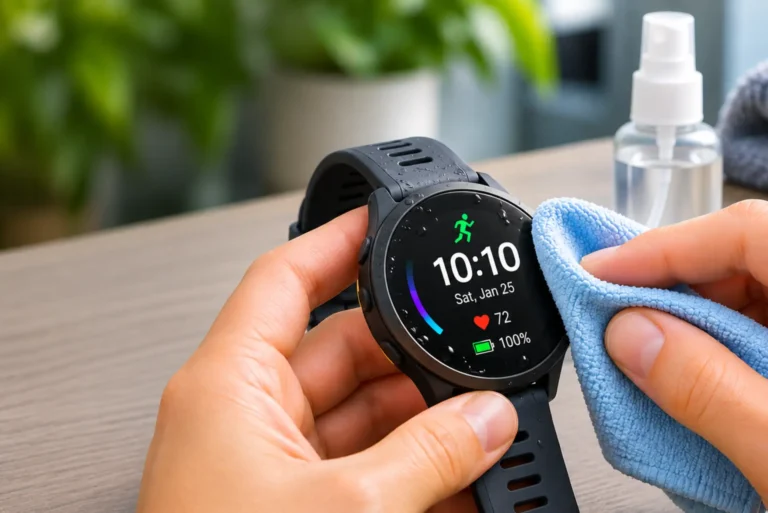
Your fitness watch is more than just a stylish accessory. It is your everyday companion for tracking workouts, monitoring activity, recording daily progress, and keeping you connected. Whether you wear it while running, swimming, exercising, or going about your daily routine, it is constantly exposed to sweat, dirt, dust, moisture, and everyday wear.
Over time, these elements can affect your fitness watch’s appearance, comfort, charging performance, and overall functionality.
The good news? With a little regular care, you can keep your device looking great and working properly for years. Learning how to clean and maintain your fitness watch is one of the simplest ways to protect your investment and extend its useful lifespan.
In this comprehensive guide, we explore practical cleaning techniques, maintenance habits, storage tips, and common mistakes to avoid so you can get the most out of your fitness watch.
Why Is It Important to Clean and Maintain Your Fitness Watch?
Fitness watches are designed to accompany you throughout the day. This means they regularly come into contact with your skin, clothing, exercise equipment, and different environmental conditions.
Here are some reasons why regular cleaning and maintenance matter.
1. Prevents Dirt and Sweat Buildup
Sweat, body oils, sunscreen, dust, and everyday dirt can accumulate around your watch’s case, strap, buttons, and sensor area. Regular cleaning helps remove this buildup and keeps your device fresh.
2. Maintains Sensor Performance
Fitness watches use sensors on the underside of the device to collect information during everyday activities and workouts. Keeping the sensor surface clean helps maintain consistent contact with your skin and reduces interference from accumulated dirt or residue.
3. Improves Comfort and Hygiene
A fitness watch worn throughout the day can collect moisture and residue underneath its strap. Cleaning your watch regularly helps keep the strap comfortable and fresh, especially if you exercise frequently.
4. Protects the Watch’s Appearance
Dust, grime, and dried sweat can make a fitness watch look older than it really is. Routine cleaning helps preserve its original appearance and prevents unnecessary buildup.
5. Supports Long-Term Device Maintenance
Dirt around charging contacts, buttons, and openings can interfere with everyday use. A consistent maintenance routine helps keep these areas in good condition.
What You Need to Clean Your Fitness Watch
You don’t need expensive cleaning products to maintain your fitness watch. A few basic household cleaning supplies are usually sufficient.
Here is what you should have available:
A soft, lint-free microfiber cloth.
A clean, soft-bristled brush.
A small bowl of clean water.
A dry microfiber towel.
A cotton swab for accessible, hard-to-reach areas.
Avoid abrasive cleaning materials, harsh household chemicals, and rough brushes that could scratch the display or damage the watch’s finish.
Step-by-Step Guide: How to Clean Your Fitness Watch
Cleaning your fitness watch doesn’t have to be complicated. Following a simple process can help you remove everyday dirt without damaging delicate components.
Step 1: Turn Off Your Fitness Watch
Before cleaning, switch off your device if the manufacturer recommends doing so. Disconnect the charging cable and remove any accessories.
If your watch has a removable strap, detach it according to the manufacturer’s instructions. This makes it easier to clean the individual components without exposing unnecessary parts to moisture.
Step 2: Clean the Watch Display
The screen is one of the most frequently touched parts of your fitness watch. Fingerprints, sweat, sunscreen, and dust can accumulate on its surface.
To clean the display:
Use a clean, dry microfiber cloth.
Gently wipe the screen using circular motions.
Pay attention to the edges where dirt can collect.
If necessary, lightly dampen the cloth with clean water, provided the manufacturer permits it.
Wipe the screen again with a dry microfiber cloth.
Avoid spraying cleaning solutions directly onto the display. Never use rough paper towels or abrasive materials that could scratch the screen.
Step 3: Clean the Watch Strap
The strap often collects more sweat and dirt than any other part of your fitness watch. How you clean it depends on the strap material.
Silicone and rubber straps
These are commonly used for sports and fitness watches because they are flexible and easy to maintain.
Remove the strap if it is detachable.
Wash it using a soft cloth and mild soap if permitted.
Rinse away any soap residue.
Dry it thoroughly before attaching it again.
Leather straps
Leather requires a gentler approach.
Wipe the surface using a soft, slightly damp cloth.
Avoid soaking the strap.
Keep it away from excessive moisture.
Allow it to air-dry naturally.
Use a suitable leather conditioner only if recommended for the material.
Nylon and fabric straps
Fabric straps can absorb sweat and everyday dirt.
Check whether the strap is washable.
Use mild soap and cool water when permitted.
Gently clean the material without excessive scrubbing.
Rinse thoroughly.
Allow it to dry completely before wearing it again.
Metal straps
Metal bracelets can collect dirt between their individual links.
Use a soft microfiber cloth.
Gently clean accessible areas with a soft brush.
Use a slightly damp cloth where appropriate.
Dry the bracelet thoroughly.
Step 4: Clean the Back of the Fitness Watch
The underside of your watch is particularly important because it sits against your wrist.
It may collect:
Sweat.
Body oils.
Dust.
Sunscreen.
Moisture.
Everyday residue.
Use a soft, lint-free cloth to clean the back of the watch.
Pay attention to the optical sensor area and surrounding surfaces. If necessary, use a slightly damp microfiber cloth, provided the manufacturer allows it. Avoid scratching the sensor window or applying excessive pressure.
Step 5: Clean Charging Contacts
Charging contacts can accumulate dust, residue, and moisture over time. A clean charging connection helps support reliable charging.
To maintain this area:
Disconnect the charging cable.
Inspect the charging contacts.
Use a clean, dry microfiber cloth to wipe accessible surfaces.
Follow the manufacturer’s instructions for removing stubborn residue.
Ensure everything is completely dry before reconnecting the charger.
Avoid using sharp objects or metal tools to clean charging contacts.
Step 6: Clean Buttons and Watch Edges
Buttons and small gaps around the watch case can collect dust and debris. Use a soft, dry brush to remove loose dirt from accessible areas.
How Often Should You Clean Your Fitness Watch?
The ideal cleaning schedule depends on how frequently you wear your fitness watch and the activities you perform. For example, someone who wears their watch throughout the day and exercises regularly may need to clean it more frequently than someone who only uses it occasionally.
Here is a practical maintenance schedule.
| Cleaning Task | Recommended Frequency |
|---|---|
| Wipe the display | Daily or as needed |
| Clean the back sensor area | After sweaty workouts |
| Clean the strap | Several times a week or as needed |
| Inspect charging contacts | Weekly |
| Clean the entire watch | Weekly |
| Inspect the strap and clasp | Monthly |
| Review software updates | Regularly |
Essential Fitness Watch Maintenance Tips for Longevity
Cleaning is only one part of keeping your fitness watch in excellent working condition. Proper maintenance also involves charging habits, software updates, storage, and careful everyday use.
1. Follow Good Charging Habits
Battery performance naturally changes over time, but sensible charging habits can help preserve battery health.
Consider these practices:
Use a compatible charger.
Avoid exposing the watch to excessive heat while charging.
Keep charging contacts clean and dry.
Follow the manufacturer’s battery-care recommendations.
Disconnect the charger when charging is complete if recommended.
2. Avoid Excessive Heat
High temperatures can affect electronic components and battery performance.
Avoid leaving your fitness watch:
Inside a hot vehicle.
In direct sunlight for extended periods.
Near heaters.
In excessively hot storage areas.
3. Keep Your Fitness Watch Software Updated
Software updates can introduce performance improvements, security fixes, compatibility improvements, and new features.
To maintain your device:
Open the companion app on your smartphone.
Check whether a firmware update is available.
Follow the manufacturer’s installation instructions.
Keep your watch sufficiently charged during the update.
Regular updates help keep your fitness watch functioning as intended.
4. Protect Your Watch From Physical Damage
Although many fitness watches are designed for active lifestyles, they are not indestructible. Simple precautions can help prevent unnecessary damage.
Avoid dropping the watch onto hard surfaces.
Remove it when performing activities that could expose it to impacts.
Avoid unnecessary contact with abrasive surfaces.
Consider a compatible screen protector.
Store the device safely when not in use.
5. Understand Your Watch’s Water-Resistance Rating
Not every fitness watch is designed for the same level of water exposure. Some models are suitable for swimming, while others are designed primarily for everyday splashes.
Before wearing your watch in water, check the manufacturer’s specifications. Also remember that water resistance can change over time due to ageing, physical damage, or deterioration of seals.
6. Store Your Fitness Watch Properly
If you are not wearing your fitness watch for an extended period, proper storage matters.
Follow these recommendations:
Clean and dry the watch before storage.
Keep it in a cool, dry place.
Avoid direct sunlight.
Protect it from dust.
Keep it away from sharp objects.
Follow the recommended battery level for long-term storage.
Avoid storing your fitness watch in damp environments or places with extreme temperature fluctuations.
7. Inspect the Watch Strap Regularly
Straps experience repeated bending, stretching, and fastening. Over time, they may develop signs of wear.
Check for:
Loose connections.
Cracks.
Fraying.
Damaged clasps.
Stretched material.
Worn attachment points.
Replacing a worn strap when necessary can improve comfort and help keep your watch securely attached.
Common Mistakes to Avoid When Cleaning a Fitness Watch
Even simple cleaning routines can cause problems when unsuitable products or techniques are used.
Here are some common mistakes to avoid.
Using Harsh Cleaning Chemicals
Bleach, strong solvents, abrasive cleaners, and unsuitable disinfectants can damage the watch’s finish, strap, or protective coatings. Use only cleaning products approved by the manufacturer.
Using Too Much Water
Water resistance does not mean your watch can withstand every type of water exposure.
Forgetting to Clean the Strap
Many people focus on the display and forget about the strap. However, straps collect sweat, oils, and dirt throughout the day.
Make strap cleaning part of your regular maintenance routine.
Ignoring the Charging Area
Dirt and residue around charging contacts can affect the charging connection.
Using Sharp Objects to Remove Dirt
Pins, needles, and other sharp tools can damage delicate components. Use a soft brush or an approved cleaning method instead.
Wearing the Watch Before It Is Completely Dry
Moisture trapped between the strap and your wrist can cause discomfort and contribute to residue buildup. Make sure your watch and strap are completely dry before putting them back on.
How to Maintain Different Types of Fitness Watches
Although most fitness watches share similar maintenance requirements, their designs and materials can vary.
Here are some important considerations for popular device categories.
Smartwatches
Smartwatches combine fitness tracking with smartphone connectivity and other digital features.
For proper maintenance:
Clean the display regularly.
Keep charging contacts free from residue.
Update the operating software.
Inspect buttons and digital crowns.
Maintain the strap according to its material.
GPS Sports Watches
GPS sports watches are commonly used for running, cycling, hiking, and outdoor activities.
Their maintenance routine should include:
Cleaning after outdoor workouts.
Removing dirt from accessible buttons.
Checking the strap attachment points.
Following manufacturer guidance for water exposure.
Keeping software and navigation features updated.
Swimming Fitness Watches
Swimming-oriented fitness watches may have specific water-resistance and maintenance requirements. Where recommended, rinse the device with fresh water after exposure to chlorinated or salt water. Dry it thoroughly before charging.
Heart Rate Fitness Trackers
These devices rely on sensors to collect activity information. Keep the sensor surface clean and inspect it regularly for residue. Avoid scratching the sensor window or using abrasive cleaning products.
Signs That Your Fitness Watch Needs Attention
Regular inspections can help you identify maintenance issues before they become more significant.
Look out for the following signs:
| Sign | Possible Area to Inspect |
|---|---|
| Charging difficulties | Charging contacts and cable |
| Uncomfortable strap | Strap cleanliness and condition |
| Dirty sensor surface | Underside of the watch |
| Unresponsive buttons | Button area and software |
| Screen scratches | Display protection |
| Reduced battery performance | Battery settings and battery condition |
| Loose strap attachment | Strap connectors and fastening mechanism |
How to Create a Simple Fitness Watch Cleaning Routine
The easiest way to maintain your fitness watch is to make cleaning part of your everyday routine.
You don’t need to spend hours maintaining your device. A few consistent habits can make a meaningful difference.
After every workout:
Wipe away sweat.
Clean the underside of the watch.
Check the strap for moisture.
Allow the device to dry.
Once a week:
Clean the display.
Wash the strap if its material permits.
Inspect the charging contacts.
Remove visible dirt from accessible edges.
Once a month:
Inspect the strap and clasp.
Check the watch’s physical condition.
Review available software updates.
Check battery performance and charging accessories.
This simple approach makes fitness watch maintenance easier and more manageable.
Frequently Asked Questions About Cleaning and Maintaining a Fitness Watch
1. Can I Wash My Fitness Watch With Water?
It depends on the watch’s water-resistance rating and the manufacturer’s cleaning instructions. Some models can be rinsed with fresh water, while others should only be cleaned using a damp cloth. Always check the specifications before exposing your device to water.
2. Can I Use Alcohol to Clean My Fitness Watch?
Not every fitness watch can safely be cleaned with alcohol.
Some manufacturers permit specific alcohol-based products for certain surfaces, while others advise against them because they may damage coatings or materials.
3. How Do I Remove Sweat Smell From My Fitness Watch Strap?
Start by identifying the strap material. For washable silicone, rubber, nylon, or fabric straps, use the manufacturer’s recommended cleaning method.
Allow the strap to dry completely before wearing it again. Leather straps require specialised care and should not be soaked.
4. How Often Should I Clean the Back of My Fitness Watch?
It is a good idea to wipe the back of your fitness watch after sweaty workouts and whenever you notice dirt or residue. Regular cleaning helps keep the sensor area free from buildup.
5. Does Cleaning My Fitness Watch Improve Battery Life?
Cleaning does not directly restore battery capacity. However, keeping charging contacts clean can help maintain a reliable charging connection. Battery longevity is more closely associated with charging habits, temperature, battery age, and device settings.
6. Can I Wear My Fitness Watch While Showering?
This depends on the manufacturer’s water-resistance specifications. Even when a device is water-resistant, soap, shampoo, and other shower products may affect its materials or seals. Check the manufacturer’s recommendations before wearing your watch in the shower.
7. How Can I Keep My Fitness Watch Looking New?
Clean the display regularly, maintain the strap, protect the device from scratches, avoid unsuitable cleaning chemicals, and store it properly. Consistent maintenance is the best way to preserve its appearance.
8. When Should I Replace My Fitness Watch Strap?
Replace the strap when it becomes cracked, stretched, frayed, damaged, or difficult to fasten securely.
Always choose a compatible replacement designed for your specific watch model.
Final Thoughts: Make Fitness Watch Maintenance a Habit
Your fitness watch is an important everyday accessory, and taking care of it doesn’t require complicated equipment or expensive cleaning products.
By following a simple cleaning routine, protecting the device from unnecessary damage, using sensible charging habits, and keeping its software updated, you can help maintain its appearance and functionality over time.
Remember that different fitness watches have different materials, features, and water-resistance ratings. Ultimately, learning how to clean and maintain your fitness watch is a small investment of time that can make everyday ownership more enjoyable and help you get the most value from your device.
Make regular cleaning and maintenance part of your routine, and your fitness watch will be better prepared to accompany you through your daily activities and fitness goals.
Read More Related Articles
That’s it for this article. If you enjoyed reading it, also check out these related guides:
- Fitness Watch for Beginners: Complete Setup and Usage Guide
- How to Choose the Right Fitness Watch for Your Workout Type (Buyer’s Guide)
- How to Extend Your Fitness Watch Battery Life: 10 Proven Tips That Actually Work
- Fitness Tracker with GPS vs Without GPS: Which Is Better?
- How to Sync Smart Watch Apps with Popular Workout Platforms (Complete Guide)