
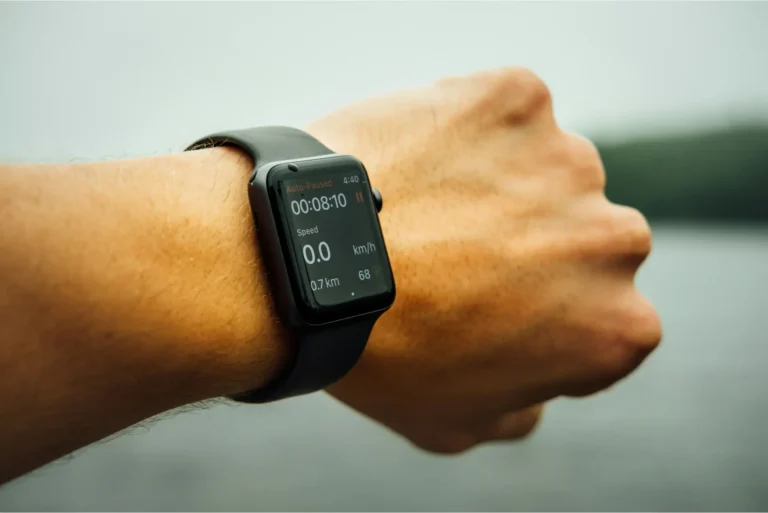
Fitness Watch for Beginners: Complete Setup and Usage Guide

fitness watch for beginners

Introduction: Why This Is the Ultimate Guide for Beginners

If you’re brand new to fitness technology, choosing and using a fitness watch can feel overwhelming. There are countless models, features you don’t understand yet, and an endless stream of numbers once you put one on your wrist. That’s why this fitness watch for beginners guide exists—to be a true pillar post you can return to again and again.


A fitness watch is not just a gadget. For beginners, it’s a habit-building tool, a motivation system, and a personal awareness device rolled into one. When used correctly, it helps you move more, sleep better, and understand your body without pressure or confusion. When used incorrectly, it can become noisy, distracting, or even discouraging.


This guide goes far beyond basic explanations. It covers everything: how fitness watches work, how to choose the right one, how to set it up properly, how to read your data with confidence, and how to integrate it with workouts like walking, treadmill training, and rowing. It’s written for real beginners—no tech jargon, no unrealistic promises, and no rushed explanations.


If this is your first fitness watch, or you’re thinking about buying one, you’re in the right place.

What Is a Fitness Watch? A Beginner-Friendly Definition
fitness watch for beginners


A fitness watch is a wearable device designed to track your daily physical activity and basic health metrics. Unlike traditional watches that only tell time, a fitness watch tells you how your body moves, rests, and responds to activity throughout the day.


For beginners, the most important thing to understand is this:
A fitness watch does not judge your fitness level. It simply observes patterns.


Most fitness watches track:

  • Steps and movement

  • Heart rate

  • Calories burned (estimated)

  • Sleep duration and quality

  • Active minutes or workout time

Some models include additional features like GPS, stress tracking, or blood oxygen levels, but beginners don’t need to focus on everything at once.


The true value of a fitness watch for beginners is awareness. Before you can improve habits, you need to see them clearly. A fitness watch provides that clarity in a simple, visual way.

Why Beginners Should Use a Fitness Watch

Beginners benefit from fitness watches more than advanced athletes—and here’s why.


1. It Creates Awareness Without Pressure

Many beginners underestimate how little—or how much—they move during the day. A fitness watch shows reality without criticism. It turns assumptions into information.


2. It Builds Consistency

You don’t need intense workouts to improve your health. A fitness watch encourages regular movement, which is far more important for beginners than occasional extreme effort.


3. It Helps You Start Safely

Heart rate monitoring helps beginners avoid pushing too hard too fast. This reduces burnout and injury risk.


4. It Makes Progress Visible

Small improvements—more steps, better sleep, steadier heart rate—are motivating. A fitness watch makes these wins visible.


5. It Supports Lifestyle Changes

Fitness isn’t just workouts. It’s sleep, daily movement, and recovery. A fitness watch tracks all of these together.

How a Fitness Watch Works: Simple Technology Explained

Fitness watches may look complex, but their core technology is surprisingly simple.


Motion Sensors (Accelerometer & Gyroscope)

These sensors detect movement in multiple directions. Your watch recognizes walking patterns, arm swings, and body motion to count steps and estimate distance.


Heart Rate Sensor

Most fitness watches use optical sensors. A small green light shines into your skin and measures blood flow changes. From this, the watch estimates your heart rate.


Sleep Tracking Logic

Sleep is tracked using a combination of:

  • Minimal movement

  • Lower heart rate

  • Consistent resting patterns

Your watch doesn’t “know” you’re asleep—it recognizes signals that strongly suggest sleep.


Algorithms, Not Magic

All data is calculated using algorithms. This means numbers are estimates, not medical measurements. For beginners, this is perfectly fine because trends matter more than exact values.

Fitness Watch for Beginners: Essential Features You Actually Need

When choosing a fitness watch as a beginner, less is often more. The best device is the one you’ll actually wear every day.


Must-Have Features

  • Step tracking

  • Heart rate monitoring

  • Sleep tracking

  • Smartphone syncing

  • Long battery life (at least 5–7 days)

Nice-to-Have Features

  • Water resistance

  • Basic workout modes

  • Vibration reminders to move

Features You Can Ignore (For Now) As A Beginner

  • Advanced performance analytics

  • Complex training metrics

  • Competitive leaderboards

A beginner-friendly fitness watch should feel supportive, not overwhelming.

Fitness Watch vs Smartwatch: What Beginners Should Choose

This is a common point of confusion.


Fitness Watch

  • Focuses on health and activity

  • Longer battery life

  • Simpler interface

  • Less distracting

Smartwatch

  • More apps and notifications

  • Shorter battery life

  • Can feel overwhelming

  • Often more expensive

For most beginners, a fitness watch is the better choice. It encourages healthy habits without pulling attention away with constant notifications.

How to Choose the Right Fitness Watch for Beginners

Choosing the right watch comes down to five practical factors:


1. Comfort

You’ll wear it all day and night. Lightweight, breathable straps matter.


2. Ease of Use

Clear screen, simple menus, easy app interface.


3. Phone Compatibility

Make sure it works smoothly with your smartphone (Android or iOS).


4. Battery Life

Longer battery life means less charging and more consistent tracking.


5. Price

Affordable watches often work perfectly for beginners. Expensive doesn’t mean better results.

Complete Fitness Watch Setup Guide (Step by Step)

Proper setup ensures accurate data and a smooth experience.


Step 1: Charge Fully

Fully charge the watch before first use.


Step 2: Install the Companion App

Download the official app and create an account.


Step 3: Enter Personal Details

Height, weight, age, and gender help improve accuracy.


Step 4: Pair With Your Phone

Enable Bluetooth and follow pairing instructions.


Step 5: Customize Notifications

Only allow essential alerts. Less is more.


Step 6: Adjust Wear Position

Wear it snugly, one finger-width above your wrist bone.

How to Use a Fitness Watch Daily (Beginner Routine)

A simple daily routine works best:

  • Wear the watch all day

  • Check your summary once in the evening

  • Notice patterns, not perfection

  • Respond to reminders gently

  • Focus on consistency, not competition

Avoid checking stats obsessively. A fitness watch should reduce stress, not create it.

Understanding Fitness Data Without Feeling Overwhelmed

Steps

General movement indicator. Great for beginners.


Calories Burned

Estimated energy use. Compare trends, not exact numbers.


Heart Rate

Shows effort and recovery. Pay attention to resting heart rate trends.


Active Minutes

Time spent moving with purpose. Often more meaningful than steps.


Sleep Data

Look for consistency and duration, not “perfect” scores.

Fitness Watch for Beginners and Home Workouts

Fitness watches work exceptionally well with simple home workouts.

  • Walking indoors

  • Bodyweight exercises

  • Stretching and mobility sessions

  • Light cardio routines

They help you stay within a comfortable effort range and build confidence.

Using a Fitness Watch With Treadmills and Rowing Machines

Fitness watches are excellent companions for cardio equipment.


Treadmill Training

  • Tracks time and heart rate

  • Helps beginners avoid overexertion

  • Supports steady progress

Rowing Machine Training

  • Measures sustained effort

  • Excellent for full-body cardio

  • Encourages controlled pacing

👉 Where To Purchase:
If you would like to purchase either a treadmill or rowing machine but don’t know where to start, check out these posts regarding the Best Treadmills for Home Use and Best Rowing Machines for Beginners.

Battery Life, Charging, and Long-Term Maintenance

  • Charge before battery drops too low

  • Clean sensors regularly

  • Avoid extreme temperatures

  • Update firmware when prompted

Proper care ensures long-term accuracy and reliability.

Privacy, Data Accuracy, and Trustworthiness

Fitness watches collect personal data, so privacy matters.

  • Use strong passwords

  • Review app permissions

  • Understand data is estimated

  • Trust trends, not single-day spikes

Fitness watches are tools, not diagnostic devices.

How Long Before Beginners See Results?

Most beginners notice:

  • Better awareness in 1–2 weeks

  • Improved consistency in 1 month

  • Measurable health changes in 2–3 months

Progress comes from habits, not numbers.

When Should Beginners Upgrade Their Fitness Watch?

Upgrade only when:

  • Your goals change

  • You need advanced training metrics

  • Your current watch limits progress

There’s no rush. Master the basics first.

Conclusion: Why a Fitness Watch Is a Beginner’s Best Ally

A fitness watch for beginners is not about perfection—it’s about progress. It helps you understand your body, build sustainable habits, and stay motivated without pressure. Used correctly, it becomes a quiet guide that supports you every step of the way.


Start simple. Stay consistent. Let the data guide you, not control you.

That’s it for this article. If you enjoyed it, please check out more fitness-related articles.

Frequently Asked Questions

1. Is a fitness watch worth it for beginners?
Yes. It builds awareness and consistency, which matter most at the start.


2. How accurate are fitness watches?
They are accurate for trends, which is what beginners need.


3. Should beginners wear a fitness watch while sleeping?
Yes, sleep data provides valuable recovery insights.


4. Can beginners rely on calorie tracking?
Use calorie data as a reference, not an exact measurement.


5. Do beginners need GPS in a fitness watch?
No. GPS is optional and not necessary at the start.

Leave a Comment

Your email address will not be published. Required fields are marked *