
Table of Contents
ToggleIntroduction: The Battle of Fitness Tracking Tools
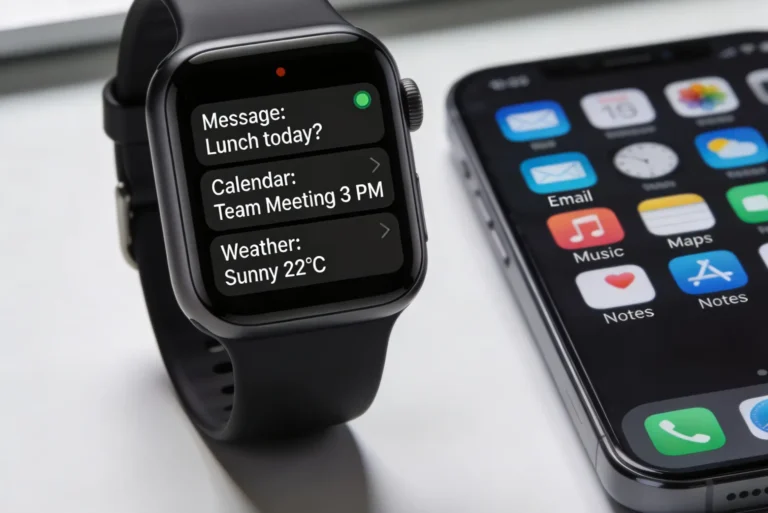
If you’ve ever tried to improve your fitness, chances are you’ve used either a smartphone app or considered buying a fitness watch. With both options promising better health insights, the debate around fitness watch vs phone app has become more relevant than ever. Smartphones are already in your pocket, packed with sensors and powerful apps. Fitness watches, on the other hand, are purpose-built devices designed to track your body 24/7.
So, which one actually tracks better? Is a dedicated fitness watch worth the investment, or can a phone app do the same job for free? The answer isn’t as simple as picking one over the other. It depends on accuracy, convenience, features, and how serious you are about your fitness goals.
In this in-depth guide, I’ll break down everything you need to know about fitness watch vs smartphone apps, comparing them across real-world use cases. By the end, you’ll have a clear understanding of which option suits your lifestyle—and why.
Understanding Fitness Watches and Smartphone Fitness Apps
Before comparing performance, it’s important to understand what each tool actually offers.
What Is a Fitness Watch?
A fitness watch is a wearable device designed specifically for tracking physical activity and health metrics. Most modern fitness watches include:
Heart rate monitoring
Step counting
Sleep tracking
GPS for outdoor activities
Calorie burn estimates
Stress and recovery metrics
Because these devices are worn on the wrist all day, they collect continuous data. This constant contact with your body gives fitness watches a major advantage in terms of consistency and detail.
What Are Smartphone Fitness Apps?
Smartphone fitness apps use your phone’s built-in sensors—such as the accelerometer, gyroscope, and GPS—to track movement and activity. Popular examples include Google Fit, Apple Health, Strava, and MyFitnessPal.
Phone apps are flexible and often free, offering features like:
Step counting (when the phone is carried)
Workout logging
GPS-based activity tracking
Nutrition and calorie tracking
Integration with third-party devices
In the fitness watch vs phone app debate, smartphone apps win on accessibility, while fitness watches excel in dedicated tracking.
Accuracy Comparison: Fitness Watch vs Phone App
Accuracy is often the deciding factor when choosing between a fitness watch and a smartphone app.
Step Tracking Accuracy
Fitness watches are generally more accurate for step counting because they’re worn on your wrist all day. Even small movements—like walking around the house—are recorded. Phone apps, however, only count steps when the phone is on you. Leave it on your desk, and those steps disappear.
Heart Rate Monitoring
This is where fitness watches clearly outperform phone apps. Fitness watches use optical sensors to measure heart rate continuously. Smartphones can’t do this reliably without external devices. If heart rate data matters to you, the fitness watch vs phone app comparison strongly favors fitness watches.
GPS and Distance Tracking
Both options can use GPS, but fitness watches are optimized for workouts. They maintain more stable GPS tracking during runs, walks, or cycling sessions. Phone apps may struggle with signal drops or battery drain during long sessions.
Winner for accuracy: Fitness Watch
Convenience and Ease of Use
Daily Wear and Accessibility
Fitness watches are always on your wrist, making them effortless to use. You don’t need to remember to carry anything extra. Smartphone apps require you to keep your phone with you at all times, which isn’t always practical during workouts or sleep.
User Interface and Interaction
Phone apps offer larger screens, making it easier to analyze data and view trends. Fitness watches, while improving, still have smaller displays and limited navigation.
In the fitness watch vs smartphone apps comparison for convenience, it comes down to preference: passive tracking with a watch or interactive analysis on a phone.
Health Metrics: Depth of Insights
Sleep Tracking
Fitness watches track sleep stages, duration, and quality because they’re worn overnight. Phone apps can estimate sleep, but accuracy is limited unless the phone stays on the bed—which isn’t ideal.
Stress and Recovery
Many fitness watches measure heart rate variability (HRV), stress levels, and recovery time. These insights help users avoid overtraining. Smartphone apps usually require additional devices to offer similar data.
Long-Term Health Trends
Because fitness watches collect continuous data, they’re better at identifying long-term patterns. This makes them more valuable for serious health tracking.
Battery Life and Performance
Fitness Watch Battery Life
Most fitness watches last between 5 and 14 days on a single charge, depending on usage. Some advanced models with GPS may need more frequent charging.
Smartphone Battery Drain
Fitness apps can significantly drain your phone’s battery, especially when using GPS. This can be inconvenient if you rely on your phone throughout the day.
In terms of reliability, fitness watches clearly outperform in the fitness watch vs phone app comparison.
Cost and Value for Money
Upfront and Long-Term Costs
Fitness Watch: Requires an upfront investment, ranging from budget-friendly to premium pricing.
Phone Apps: Many are free or low-cost, with optional subscriptions.
Value Over Time
If you’re serious about fitness, a fitness watch often delivers better long-term value through detailed insights and consistent tracking.
Integration with Other Devices and Platforms
Both fitness watches and smartphone apps integrate with broader health ecosystems.
Fitness watches sync data to phone apps for deeper analysis.
Smartphone apps integrate with smart scales, heart rate straps, and nutrition tools.
For beginners, it’s helpful to understand setup and usage in detail. You can explore this in our detailed guide: Fitness Watch for Beginners: Complete Setup and Usage Guide, which walks you through everything from unboxing to daily use.
Who Should Choose a Fitness Watch?
A fitness watch is ideal if you:
Want accurate, continuous tracking
Care about heart rate, sleep, and recovery data
Exercise regularly or train seriously
Prefer passive data collection
In the fitness watch vs phone app decision, fitness watches suit committed fitness enthusiasts.
Who Should Choose Smartphone Fitness Apps?
Phone apps are a good choice if you:
Want a free or low-cost option
Track workouts occasionally
Prefer detailed visual analysis
Don’t want to wear another device
For casual users, smartphone apps can be more than sufficient.
Fitness Watch vs Smartphone Apps: Final Verdict
So, which tracks better? From an accuracy, reliability, and health insights perspective, fitness watches clearly win the fitness watch vs smartphone apps comparison. They provide deeper data, continuous monitoring, and better performance during workouts.
However, smartphone apps still play a valuable role. They’re accessible, flexible, and powerful when combined with other tools. The best choice ultimately depends on your fitness goals, budget, and lifestyle.
Conclusion
The debate around fitness watch vs phone app isn’t about which is universally better—it’s about which is better for you. Fitness watches excel in accuracy, convenience, and health insights, making them ideal for long-term fitness tracking. Smartphone apps shine in accessibility and cost-effectiveness, especially for beginners or casual users.
If you’re serious about improving your health, investing in a fitness watch can be a game-changer. If you’re just starting out, a phone app may be all you need. Either way, the most important step is using the tool consistently—because the best tracker is the one you actually use.
Frequently Asked Questions (FAQs)
1. Is a fitness watch more accurate than a phone app?
Yes, fitness watches are generally more accurate due to continuous body contact and dedicated sensors.
2. Can I use both a fitness watch and a phone app together?
Absolutely. Many fitness watches sync with phone apps for detailed analysis.
3. Are fitness watches worth the money?
If you track fitness regularly and value health insights, fitness watches offer strong long-term value.
4. Do phone apps track sleep accurately?
Phone apps provide basic sleep estimates, but fitness watches deliver more accurate sleep data.
5. Which is better for beginners: fitness watch or phone app?
Beginners often start with phone apps, then upgrade to a fitness watch as goals become more serious.
