
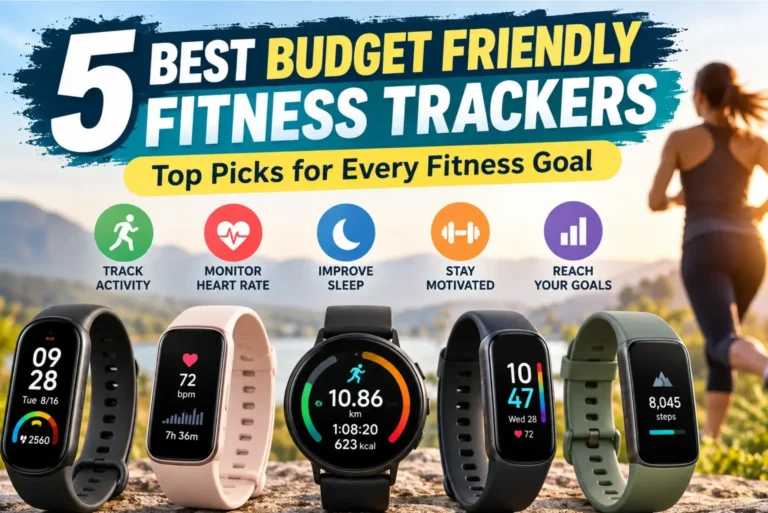
5 Best Budget Friendly Fitness Trackers: Top Picks for Every Fitness Goal
Finding a budget friendly fitness tracker can make it easier to monitor your workouts, daily activity, and overall fitness without spending money on features you may never use. Today’s fitness trackers range from screen-free recovery monitors to full-featured smartwatches with GPS, workout modes, and health insights.
The best choice depends on what you want to track. Some people need detailed running data, while others care more about everyday activity, recovery, sleep patterns, or the convenience of smartwatch features.
In this guide, we look at five popular options: WHOOP, Garmin Forerunner, Garmin vívoactive, Amazfit, and Apple Watch. Each offers a different combination of fitness tools, convenience, and value.
Quick Comparison: 5 Budget Friendly Fitness Tracker Options
| Fitness Tracker | Best For | Standout Strength | Budget Consideration |
|---|---|---|---|
| WHOOP | Recovery and training insights | Screen-free health and recovery tracking | Consider the ongoing membership cost |
| Garmin Forerunner | Runners and active users | Training tools and sports-focused features | Compare models to find the best value |
| Garmin vívoactive | Everyday fitness | Fitness tracking plus smartwatch versatility | A strong option for users wanting multiple features |
| Amazfit | Value-focused buyers | Broad feature sets and battery-focused designs | Often worth considering for feature-to-price value |
| Apple Watch | iPhone users | Smartwatch convenience and fitness integration | Check the specific model and current price |
1. WHOOP: Best for Recovery-Focused Fitness Tracking
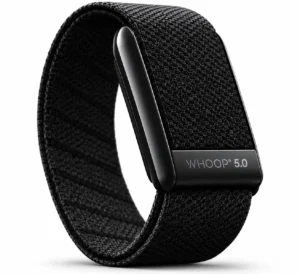
WHOOP takes a different approach to the traditional smartwatch. Rather than focusing on notifications and a large display, it is designed around continuous fitness and recovery insights.
For athletes and active users, a tracker that helps organize training habits can be valuable. WHOOP is especially appealing to people who want to pay attention to patterns in their activity and recovery rather than constantly checking a watch screen.
Why it stands out
-
Screen-free, wearable design
-
Focus on fitness, recovery, and long-term health insights
-
Useful for people who want data-driven training feedback
-
Designed for continuous wear
What to consider
WHOOP’s overall cost can depend on its membership structure. That means it is important to look beyond the initial purchase decision and consider the long-term cost before calling it a truly budget friendly fitness tracker.
Best for: Fitness enthusiasts who value recovery insights and are comfortable with a membership-based platform.
2. Garmin Forerunner: A Strong Choice for Runners
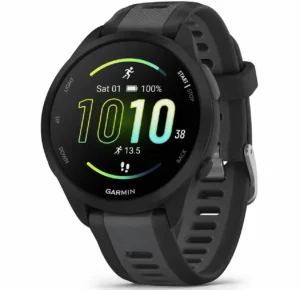
The Garmin Forerunner range is well known among runners and other active users. Depending on the specific model, the lineup can offer sports tracking, training features, GPS functionality, and performance-focused data.
A Forerunner can be a smart investment for someone who takes running seriously and wants more than basic step counting. Instead of choosing the most expensive model automatically, compare the features you will actually use.
Why it stands out
-
Designed with runners and active lifestyles in mind
-
Sports and training-focused functionality
-
Available in different models and price points
-
A practical choice for users who want dedicated fitness features
What to consider
The name “Garmin Forerunner” covers multiple products, so features and prices can vary significantly. Check the exact model number when comparing options.
Best for: Runners who want detailed activity and training information.
3. Garmin vívoactive: Everyday Fitness Meets Smartwatch Features
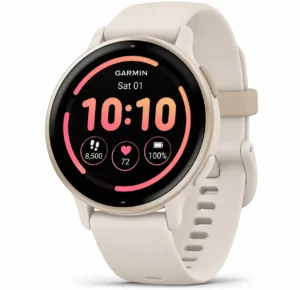
The Garmin vívoactive line is aimed at people who want a balance between fitness tracking and everyday smartwatch convenience. It can be an attractive option if you want one device for workouts, daily activity, and general wear.
For shoppers searching for a budget friendly fitness tracker with a broader feature set, the key is to decide whether you need advanced sports features or simply reliable everyday tracking.
Why it stands out
-
Blends fitness tracking with smartwatch-style functionality
-
Suitable for a variety of activities
-
Designed for everyday wear as well as exercise
-
A versatile option for users who do more than one type of workout
What to consider
Compare the exact generation and version before purchasing. Different versions may have different displays, features, and prices. Best for: People who want one wearable for everyday activity and a variety of fitness routines.
4. Amazfit: Feature-Packed Value for Budget-Conscious Buyers
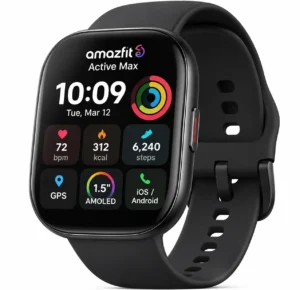
Amazfit has become a popular name among shoppers looking for fitness-focused wearables with a strong feature-to-price balance. Specific models can vary, but the brand often appeals to people who want a wide range of features without moving into the highest-priced smartwatch category.
Depending on the model, shoppers may find features such as activity tracking, workout modes, GPS capabilities, and long battery life.
Why it stands out
-
Often positioned as a value-oriented alternative to premium smartwatches
-
Multiple models designed for different activities and budgets
-
Fitness and smartwatch features in one device
-
Battery performance can be an important advantage for users who dislike frequent charging
What to consider
Because Amazfit sells several models, check the exact product listing to confirm the features included with the watch you are considering.
Best for: Buyers who want a feature-rich budget friendly fitness tracker and are comparing value across different brands.
5. Apple Watch: Best for Fitness-Focused iPhone Users
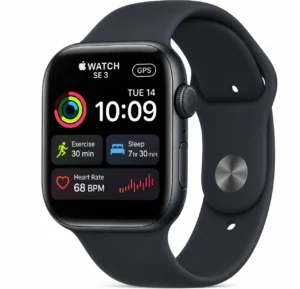
For people who already use an iPhone, an Apple Watch can offer a convenient combination of fitness tracking and smartwatch features. It is designed to work closely with the Apple ecosystem, making it easy to keep fitness information and everyday notifications in one place.
Apple Watch models vary in price, so value depends heavily on which version you choose. A current-generation premium model may not fit every budget, while other models or promotions may offer a more accessible entry point.
Why it stands out
-
Strong integration with the iPhone ecosystem
-
Combines fitness features with everyday smartwatch functionality
-
Suitable for a wide variety of activities
-
A convenient all-in-one option for compatible users
What to consider
Compatibility is an important factor. Apple Watch is best suited to people who use an iPhone, and pricing varies by model, size, and configuration.
Best for: iPhone users who want fitness tracking alongside smartwatch convenience.
How to Choose a Budget Friendly Fitness Tracker
Before buying a fitness tracker, focus on the features that match your routine. Paying for dozens of advanced features you never use is rarely a good value.
1. Decide What You Want to Track
Start with your primary goal. Are you mainly interested in:
-
Daily activity and movement?
-
Running and outdoor workouts?
-
Gym sessions?
-
Sleep and recovery trends?
-
General health and fitness habits?
The right tracker for a runner may be very different from the right tracker for someone who simply wants to become more active.
2. Look Beyond the Purchase Price
A lower upfront price does not always mean lower long-term costs. Consider subscriptions, accessories, replacement bands, and any paid services connected to the device.
This is especially important when comparing a traditional smartwatch with a membership-based fitness platform.
3. Check Battery Expectations
Battery needs vary from person to person. If you want to wear your tracker continuously, charging frequency can make a noticeable difference to your experience.
4. Make Sure It Works With Your Phone
Check compatibility before you buy. Some fitness trackers work best within a specific phone ecosystem, while others support a wider range of devices.
5. Avoid Paying for Features You Do Not Need
The best budget friendly fitness tracker is not necessarily the cheapest one. It is the one that gives you the features you will genuinely use at a cost that makes sense for your budget.
Frequently Asked Questions
What is the best budget-friendly fitness tracker?
The best option depends on your priorities. Amazfit may appeal to value-focused buyers, Garmin models can be a strong choice for sports and running, WHOOP is designed around recovery insights, and Apple Watch offers a broad smartwatch experience for compatible iPhone users.
Is a fitness tracker worth the money?
A fitness tracker can be worthwhile if the information helps you build consistent habits and better understand your activity. However, expensive features are not automatically necessary for everyone.
Should I buy a fitness tracker with GPS?
GPS can be useful for outdoor activities such as running, walking, and cycling. If you rarely exercise outdoors or already carry your phone, you may not need to prioritize this feature.
Are expensive fitness trackers always better?
Not necessarily. A more expensive device may include advanced features that do not match your needs. Comparing your goals with the features offered is a better way to find value.
Final Thoughts: Which Budget Friendly Fitness Tracker Is Right for You?
Choosing the right fitness tracker comes down to understanding your fitness goals and your total budget.
-
Choose WHOOP if recovery and training insights are your main priority.
-
Consider a Garmin Forerunner if running and performance tracking matter most.
-
Look at the Garmin vívoactive if you want a versatile balance of fitness and smartwatch features.
-
Explore Amazfit if you are focused on getting a broad set of features for a competitive price.
-
Consider an Apple Watch if you use an iPhone and want fitness tools combined with everyday smartwatch convenience.
Before making a final decision, compare the exact model, current price, compatibility, warranty, and any ongoing costs. A thoughtful comparison can help you find a fitness tracker that supports your routine without stretching your budget.